
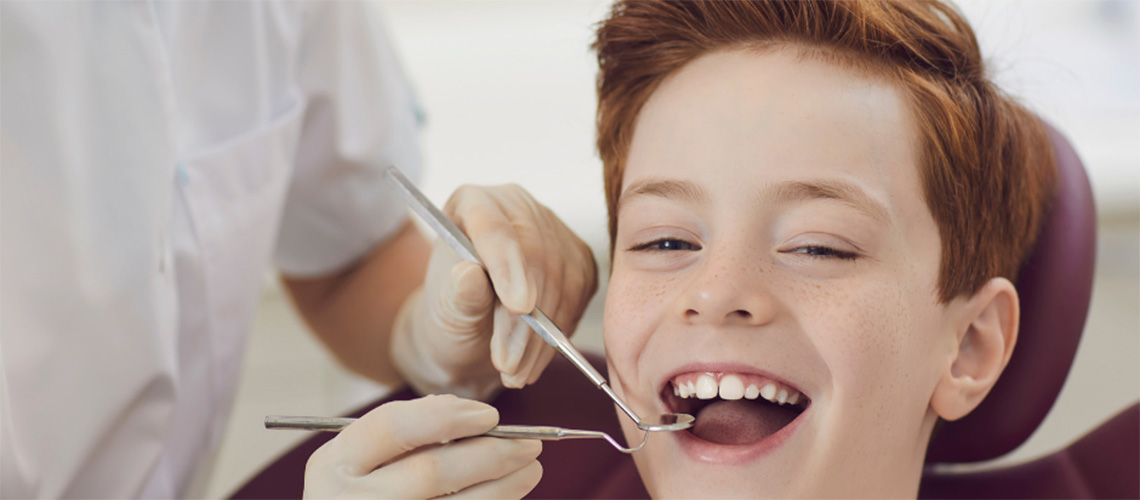
Most parents face the same dilemma: Should I wait until my child has more teeth, or book that first appointment now?
The answer might surprise you. Dental experts recommend that children have their first dental visit by their first birthday or within six months of when their first tooth appears, whichever comes first. This timing feels early to many Australian parents, yet it forms the cornerstone of effective preventive care.
Think of your child’s first dental visit as laying the foundation for lifelong oral health habits. Paediatric dentistry goes beyond simply checking for cavities – it educates parents about proper oral hygiene techniques and identifies potential issues before they become problems.
Regular dental check-ups should continue every six to twelve months after this initial visit, even when everything appears fine. Why? Because prevention always beats treatment.
This guide covers everything you need to know about your child’s dental journey. You’ll learn what actually happens during those early appointments, practical ways to prepare your little one, and how to choose the right dental professional for your family’s needs.
Why early dental visits matter
Here’s a misconception that costs Australian families dearly: “Baby teeth don’t matter because they fall out anyway.”
This couldn’t be further from the truth. Baby teeth serve critical functions that directly impact your child’s long-term health and development.
How baby teeth affect long-term health
Baby teeth aren’t temporary placeholders – they’re essential tools for your child’s development. They enable proper speech development, support effective chewing for nutrition, and most importantly, guide adult teeth into their correct positions.
The statistics tell a concerning story. Nearly half of Australian children under ten show signs of decay in their baby teeth. What makes this particularly troubling? Children who experience early tooth decay face significantly higher risks of serious dental problems continuing into adulthood. Moderate tooth decay in young children dramatically increases their likelihood of developing cavities in their permanent teeth.
The consequences extend far beyond childhood:
- Premature loss of baby teeth leads to misalignment and overcrowding of adult teeth
- Decay creates acidic environments that can discolour, deform, or permanently stain developing permanent teeth
- Severe infections can spread to adult teeth still developing below the gums, potentially causing damage or loss before they even emerge
What happens in your child’s mouth during these early years creates lasting effects throughout their entire life.
The role of children’s dentistry in early development
Paediatric dentistry goes well beyond treating existing problems. This important field focuses on preserving and supporting children’s oral health from birth through adolescence. The impact extends to multiple areas of your child’s development:
- Nutrition and eating habits – Healthy teeth enable proper food breakdown and nutrient absorption
- Speech development – Correct tooth positioning supports clear communication
- Self-esteem and confidence – A healthy smile affects how children interact socially
- Academic performance – Dental pain can significantly impact concentration and learning
- Overall well-being – Good oral health connects directly to general health outcomes
Prevention forms the cornerstone of effective paediatric care. Early preventive strategies stop dental problems before they start, including fluoride applications, fissure sealants, space maintainers, and proper oral hygiene instruction.
Consider this reality: dental disease in childhood significantly impacts quality of life through pain, eating difficulties, speech problems, and reduced self-confidence. Children with dental disease often continue to experience poor oral health as adults. Conversely, establishing good oral health during childhood almost always translates to better oral health throughout life.
Early dental visits enable comprehensive examinations that extend beyond visible teeth. Dentists examine developing jaws, facial bones, and teeth still forming beneath the gums. This thorough approach identifies potential problems early, preventing minor issues from becoming major concerns.
The foundation you establish now through regular dental care will benefit your child throughout their entire adult life.
When to take kids to the dentist for the first time
When to take kids to the dentist for their first check-up remains a key question for many new parents. Understanding professional recommendations helps you make informed decisions about your child’s oral health journey.
Recommended age for the first dentist visit
Australian dental organisations provide consistent guidance, though with slight variations in their specific recommendations. The Australian Dental Association recommends that a child’s first dental visit should occur within six months of their first tooth appearing, and no later than their first birthday. This aligns with major international organisations, including the American Academy of Pediatric Dentistry, European Academy of Pediatric Dentistry, American Dental Association, Canadian Dental Association, and American Academy of Pediatrics.
Different Australian health organisations offer compatible advice:
- The Royal Children’s Hospital recommends visits when the first tooth emerges or by 12 months
- Some state health services suggest the first dental appointment at around 12-18 months
- NSW Health advises children should have their first dental check-up by their first birthday
If you’re wondering when to take your child for their first dental visit, reach out to CJ Dentistry for professional advice tailored to your child’s needs.
Signs your child is ready for a check-up
Age provides the primary guideline, but certain signs might indicate your child needs dental attention sooner:
- The emergence of their first tooth
- Visible changes in tooth colour or appearance
- Difficulty with feeding or discomfort when eating certain foods
- Thumb-sucking, dummy use, or other oral habits that could affect development
Don’t wait for obvious problems to develop. Research shows that patterns of dental care seeking for very young children appear to be problem-initiated rather than driven by primary prevention. The most common reasons for first dental visits are often the presence of decayed teeth and dental pain perception.
Why timing matters more than symptoms
Early preventive dental visits offer multiple advantages beyond simply checking for cavities:
- They allow your toddler to become familiar with the dental environment
- They enable early detection of tooth decay and other dental conditions
- They provide opportunities for dental staff to offer advice on toothbrushing and healthy eating habits
- They help establish a “dental home” and build trust with a dentist
Primary prevention remains the cornerstone of paediatric dentistry. Delaying the first dental visit increases the likelihood of developing serious dental issues that can deteriorate rapidly without proper care. Undetected and untreated dental problems can affect a child’s ability to eat, sleep, and participate in daily activities.
Early visits focus on prevention rather than treatment. Establishing regular check-ups from a young age creates a positive foundation for lifelong dental care. This preventative approach provides far greater benefits than waiting until problems develop.
What happens during the first dental visit
Your child’s first dental visit sets the tone for their entire dental journey. Knowing what to expect removes the mystery and helps both you and your child feel more prepared for this important milestone.
Initial check-up and what it includes
Most first appointments have the primary focus on familiarising your child with the dental environment. The dentist conducts a thorough examination of your child’s teeth, gums, jaws, bite, and oral tissues to assess growth and development patterns.
The dentist will also gather information about your child’s health history and current dental habits. Questions might cover brushing routines, eating patterns, and any concerns you’ve noticed. Older children with more teeth may receive a gentle cleaning, though extensive treatments rarely happen during initial visits unless there’s an urgent issue.
How dentists make children feel comfortable
Most practices design child-friendly environments with bright colours, engaging activities, and welcoming staff who use age-appropriate language. These elements help transform what could feel scary into something more like an exciting adventure.
Dentists use several trust-building techniques:
- Explaining procedures using simple, reassuring language
- Showing dental instruments and demonstrating how they work
- Providing positive reinforcement throughout the visit
- Welcoming comfort items like favourite toys or blankets
Parents typically stay with very young children during examinations, especially if the child feels more secure sitting in their lap. Don’t worry if the dentist focuses more attention on your child than you – they’re building that crucial patient-practitioner relationship.
Common treatments for young children
Initial visits centre on examination and education rather than treatment procedures. After assessing your child’s oral health, the dentist provides personalised hygiene instructions tailored to your child’s specific needs and demonstrates proper brushing techniques.
Preventive discussions often include dietary advice to reduce cavity risk and guidance on managing common habits like thumb-sucking or dummy use. Slightly older children might receive preventive treatments such as gentle cleanings to remove plaque buildup or fluoride applications to strengthen teeth against decay.
The dentist encourages questions from both parents and children throughout the appointment. Before leaving, you’ll schedule the next check-up – regular six-monthly visits help maintain optimal oral health and continue building that positive relationship with dental care.
How to prepare your child for the dentist
The right preparation can turn a potentially stressful experience into a positive milestone. Your approach in the weeks leading up to the appointment sets the stage for your child’s long-term relationship with dental care.
Talking about the visit in a positive way
Your attitude directly shapes how your child views dental visits. Children pick up on parental anxiety faster than you might expect, so maintaining genuine positivity makes all the difference.
Skip words like “hurt,” “needle,” or “drill” during your conversations. Dental professionals use child-friendly language for these concepts, so let them handle the technical explanations.
Home practice works remarkably well. Count your child’s teeth together or use a clean spoon as a pretend dental mirror. This simple activity familiarises them with the examination process without any pressure.
Avoid telling your child to “be brave” – this inadvertently suggests there’s something to fear. Instead, focus on the positive aspects, like meeting new people who help keep teeth healthy and strong.
Books and games that help
Dental-themed books create positive associations before the appointment:
- “The Berenstain Bears Visit the Dentist”
- “Curious George Visits the Dentist”
- “Peppa Pig: Dentist Trip”
- “Just Going to the Dentist” by Mercer Mayer
Role-playing games allow children to experience both sides of the argument. When they play dentist and patient, they gain hands-on familiarity with dental procedures in a non-threatening environment.
Tooth-related activities like brushing dolls’ teeth or counting teeth on stuffed animals help normalise dental care as part of a daily routine.
What to bring and how to plan the day
Timing matters. Schedule appointments when your child is well-rested, preferably in the morning. Treat the visit as a normal part of your routine rather than building unnecessary anticipation.
Arrive a few minutes early to allow adjustment time. This extra buffer helps children familiarise themselves with new surroundings at their own pace.
Practical items to consider:
- Favourite comfort toy or blanket
- Comfortable, easy-to-remove clothing
- Any specific items your child needs for security
After the appointment, simple positive reinforcement – perhaps a healthy treat or special activity – strengthens good associations with dental care. The goal is to make dental visits feel like a normal, positive part of growing up.
Conclusion
Your child’s dental journey starts with a single decision – booking that first appointment. The evidence is clear: early dental visits create lasting benefits that extend far beyond childhood.
Proper preparation transforms potentially anxious moments into positive experiences. When you use engaging books, practice dental games at home, and maintain an upbeat attitude, you’re teaching your child that oral health care is simply part of life. This foundation becomes invaluable as they grow.
The dental professional you choose shapes these formative experiences. Whether you select public or private care, prioritise finding someone who communicates well with children and creates a welcoming environment. For professional dental services tailored to your child’s specific needs, contact CJ Dentistry to schedule a consultation with our experienced paediatric dental team.
Those tiny baby teeth deserve respect. They’re not just placeholders – they’re actively shaping your child’s speech development, nutritional intake, and the positioning of future adult teeth. Protecting them through regular visits and proper home care delivers benefits that last a lifetime.
Start early, stay consistent, and watch your child develop the confidence and habits that support optimal oral health throughout their entire life.
Key Takeaways
Understanding when and how to start your child’s dental journey is crucial for their lifelong oral health and development.
- Schedule your child’s first dental visit by their first birthday or within six months of their first tooth appearing
- Baby teeth are critical for speech development, nutrition, and guiding adult teeth into proper positions
- Early dental visits focus on prevention and education rather than treatment, creating positive associations with dental care
- Prepare your child using positive language, dental-themed books, and role-playing games to reduce anxiety
- Choose a dentist with pediatric experience who creates a child-friendly environment and communicates well with young patients
FAQs
Q1. When should I schedule my child’s first dental visit?
The first dental visit should be scheduled by your child’s first birthday or within six months of their first tooth appearing, whichever comes first. Early visits help establish good oral health habits and prevent potential issues.
Q2. Are baby teeth really important if they’re going to fall out anyway?
Yes, baby teeth are crucial. They aid in speech development, enable proper chewing for nutrition, and guide adult teeth into their correct positions. Neglecting baby teeth can lead to problems with permanent teeth later on.
Q3. What happens during a child’s first dental appointment?
The first visit includes a gentle examination of your child’s teeth, gums, and jaw. The dentist will check for proper development, discuss oral hygiene practices, and may perform a light cleaning if necessary.
Q4. How can I prepare my child for their first dental visit?
Use positive language when discussing the dentist, read dental-themed children’s books, and play pretend dentist games at home. Avoid using words that might cause anxiety, and consider bringing a comfort item to the appointment.