
If you’ve ever run your tongue across your teeth late in the day and noticed a slightly fuzzy feeling, you’ve met plaque. It’s something every set of teeth produces, every day, regardless of how well you look after them. The good news is that plaque is manageable once you understand what it is and why it builds up. This article walks through what plaque actually is, how it forms, what happens if it’s left alone, and the practical steps that keep it under control.
What Is Plaque?
Plaque is a soft, sticky film that forms on your teeth throughout the day. It’s made up of bacteria, saliva, and tiny food particles, all bound together in a thin layer that clings to tooth surfaces, along the gumline, and in the spaces between teeth. Dentists sometimes call it a biofilm, a fancy term for a community of bacteria living together in a protective layer.
Plaque is usually pale yellow or colourless, which is part of what makes it tricky to detect. You often can’t see it, but you can feel it. That fuzzy or coated sensation on your teeth when you wake up, or after a long stretch without brushing, is plaque doing its thing.
You might also hear the word plaque used in other medical contexts, like the build-up that affects arteries. Those are completely different conditions. In dental terms, plaque only refers to what forms on your teeth and gums.
How Plaque Forms on Teeth
Plaque formation is constant, and it’s faster than most people realise. Within hours of brushing, a thin layer of saliva proteins coats your teeth. Bacteria already living in your mouth attach themselves to that layer and start multiplying. As they feed on sugars and starches from the food and drinks you consume, they produce acids and form the sticky matrix that holds everything together.
A few things speed up this process. Sugary or starchy foods give bacteria more to feed on, so plaque builds faster after meals high in carbohydrates. Skipping a brush, drinking sugary drinks throughout the day, or having a dry mouth (saliva helps wash bacteria away) all make plaque accumulate more quickly. By the end of a full day, even a healthy mouth has a fresh layer to deal with.
This is why dentists are so consistent about the twice-a-day brushing message. It isn’t about removing food. It’s about disrupting plaque before it has time to cause damage.
What Plaque Can Do to Your Oral Health
Left in place, plaque causes a chain of problems. The bacteria in plaque produce acids every time you eat or drink something containing sugar. Those acids gradually wear away tooth enamel, which is how cavities start. A small area of decay can sit unnoticed for months, which is one of the main reasons regular check-ups matter. Your dentist can spot early decay long before it causes pain.
Plaque also irritates your gums. When it builds up along the gumline, it triggers inflammation, which shows up as red, puffy, or bleeding gums when you brush. This early stage of gum disease is called gingivitis, and it’s reversible with good oral hygiene and a professional cleaning. If plaque remains undisturbed, gingivitis can progress to periodontitis, a more serious condition that affects the bone and tissues that hold your teeth in place.
Plaque is also a common cause of bad breath. The bacteria in plaque release sulphur compounds, which produce that stale, unpleasant smell, especially first thing in the morning.
The other issue with plaque is what happens when you don’t remove it. Within 24 to 72 hours, minerals in your saliva begin to harden soft plaque into tartar, also called calculus. Once that happens, you can’t brush it off at home, no matter how thorough you are. Tartar needs to be removed with professional dental instruments.
How to Remove and Prevent Plaque
The strategy for managing plaque is straightforward and hasn’t changed much in decades. The basics work because plaque is soft and easy to disrupt, as long as you do it consistently.
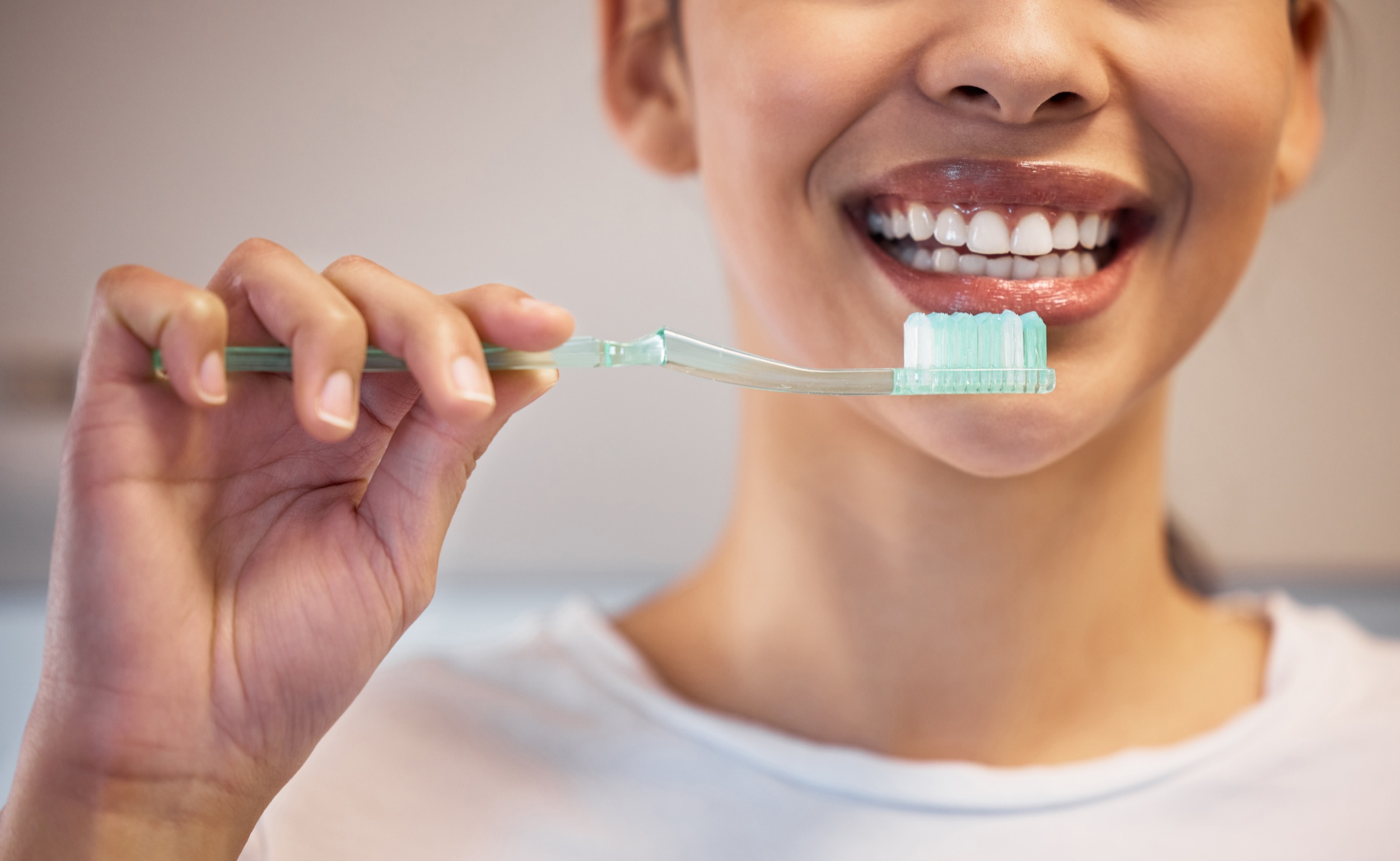
Brushing twice a day is the foundation. Use a soft-bristled toothbrush and fluoride toothpaste, and give yourself a full two minutes. Pay attention to the gumline, the back molars, and the inside surfaces of your teeth, which are the spots most people rush through. An electric toothbrush isn’t essential, but many people find it easier to get a thorough clean with one.
Flossing once a day matters more than most people give it credit for. Your toothbrush can’t reach between your teeth, and that’s exactly where plaque loves to settle. If traditional floss feels awkward, interdental brushes or floss picks work just as well. The best option is the one you’ll actually use.
Mouthwash can be a useful addition, especially antibacterial varieties that target the bacteria in plaque. It isn’t a replacement for brushing and flossing, but it helps reach areas your brush misses and can also freshen your breath.
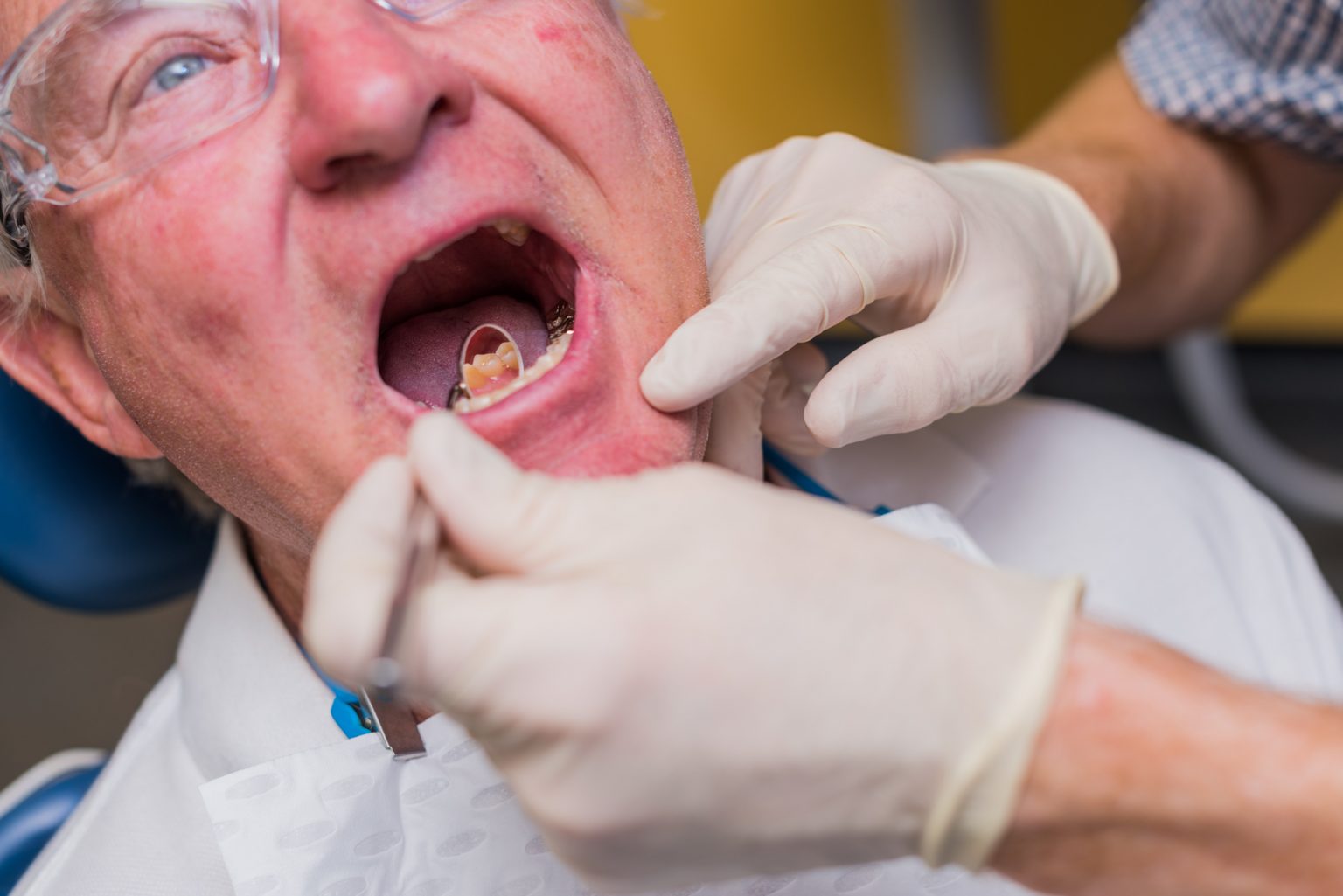
Professional cleaning is the part you can’t skip. Even with perfect home care, small amounts of plaque can harden into tartar in hard-to-reach areas. A dental hygienist removes this build-up with specialised instruments, and the process also gives your dentist a chance to check for early signs of decay or gum issues. Most adults benefit from a check-up and clean every six months, though your dentist may suggest a different schedule based on your individual needs.
Diet and habits play a quieter role, but a meaningful one. Sugary drinks, sticky snacks, and frequent grazing all give plaque bacteria more fuel. Drinking water throughout the day helps rinse food particles away and keeps saliva flowing, which is your mouth’s natural defence against plaque. Crunchy fruits and vegetables, like apples and carrots, also help by gently scrubbing tooth surfaces as you chew.
Plaque vs Tartar
This is one of the most common points of confusion, and it’s worth getting clear. Plaque and tartar are the same material at different stages.
Plaque is soft, sticky, and easy to remove with a toothbrush and floss. Tartar is what plaque becomes when it’s left in place long enough to harden, usually within a few days. Tartar has a rough, crusty texture and often shows up as a yellow or brown deposit along the gumline or between teeth. It bonds firmly to the tooth and can’t be brushed off, which is why professional cleaning is the only way to remove it.
The takeaway is that prevention happens at the plaque stage. Once it’s hardened into tartar, the problem moves out of your hands.
When to See a Dentist About Plaque
For most people, a routine check-up and cleaning every six months helps keep plaque and tartar under control. If you notice any of the following, it’s worth booking sooner:
- Bleeding, swollen, or tender gums
- A persistent bad taste or bad breath
- Visible yellow or brown build-up on your teeth
- Teeth that feel rough or coated even after brushing
- Sensitivity to hot or cold
These are signs that plaque has built up beyond what home care can manage, or that it’s already causing inflammation or decay. Catching these things early almost always means simpler, less expensive treatment.
If you’re on the Sunshine Coast and it’s been a while since your last check-up, the team at CJ Dentistry in Alexandra Headland can take a look and give you a clear picture of where your oral health sits. A professional cleaning is the most reliable way to reset things and start fresh, and our dentists can show you any spots that need extra attention in your daily routine. You can book an appointment online or call us on (07) 5479 5522.
Frequently Asked Questions
What causes plaque to form?
Plaque forms when bacteria that naturally live in your mouth combine with saliva and food particles, particularly sugars and starches. The bacteria feed on these sugars and produce a sticky matrix that clings to your teeth. Plaque builds up continuously, which is why daily brushing and flossing are needed to keep it under control.
Does mouthwash help reduce plaque?
Yes, an antibacterial or antiseptic mouthwash can help reduce the bacteria that cause plaque, especially in areas your toothbrush misses. It works best as an addition to brushing and flossing, not a replacement. Look for one that mentions plaque control on the label, and check with your dentist if you’re unsure which type suits you.
How can you remove plaque at home?
You can remove plaque at home with consistent brushing and flossing. Brush twice a day with a fluoride toothpaste for at least two minutes, paying attention to the gumline and the back of your mouth. Floss once a day to clean between teeth where brushes can’t reach. Once plaque hardens into tartar, it can’t be removed at home and requires a professional cleaning.
What are the signs of plaque buildup?
The most noticeable sign is a fuzzy or coated feeling on your teeth, particularly along the gumline. You might also see a slightly yellow film, especially if it’s been a while since brushing. Other signs include bad breath, bleeding gums when you brush or floss, and red or puffy gums. If you notice any of these, it’s a good time for a check-up.
How fast does plaque build up on teeth?
Plaque starts forming within hours of brushing. A thin layer of saliva proteins coats your teeth almost immediately, and bacteria begin attaching to it shortly after. Within 24 to 72 hours, soft plaque can start to harden into tartar, which is why brushing twice a day matters. The goal is to disrupt plaque before it can cause damage or harden.
What is the best way to prevent plaque?
The best prevention is a simple, consistent daily routine: brush twice a day with fluoride toothpaste, floss once a day, and limit sugary and starchy snacks between meals. Drinking water throughout the day helps too, since it rinses your mouth and keeps saliva flowing. Add a check-up and professional cleaning every six months, and you’ve covered the basics that protect most people for life.
Can plaque cause cavities and gum disease?
Yes, plaque is the main cause of both. Acids produced by plaque bacteria wear down tooth enamel, leading to cavities. The same bacteria irritate your gums, causing inflammation that starts as gingivitis and can progress to more serious gum disease if left untreated. Removing plaque daily is the most effective way to prevent both.