
Most of us learned how to brush our teeth as kids and have been doing it the same way ever since. But how you brush teeth is one of those everyday habits that quietly drifts off course. A bit too much pressure here, a missed spot there, and over time, small mistakes add up to plaque, sensitivity, and avoidable dental visits.
The good news is that learning to brush teeth properly isn’t complicated. It just takes the right tools, a sensible oral hygiene routine, and a couple of minutes twice a day. Here are our tips for getting it right.
Why Brushing Teeth Matters
Every time you eat or drink, a thin layer of bacteria called plaque builds up on your tooth surfaces. Left alone, plaque produces acids that wear down enamel and irritate your teeth and gums. Over weeks and months, that’s how cavities form and how gum disease takes hold.
Brushing physically removes plaque before it can cause damage. Skip a session, and the bacteria don’t reset overnight. They multiply. That’s why consistency matters more than intensity. Gentle, thorough dental care twice a day will protect your smile far better than an occasional scrub.
What You Need Before You Start
Before getting into technique, it’s worth checking that you’re working with the right gear for healthy teeth:
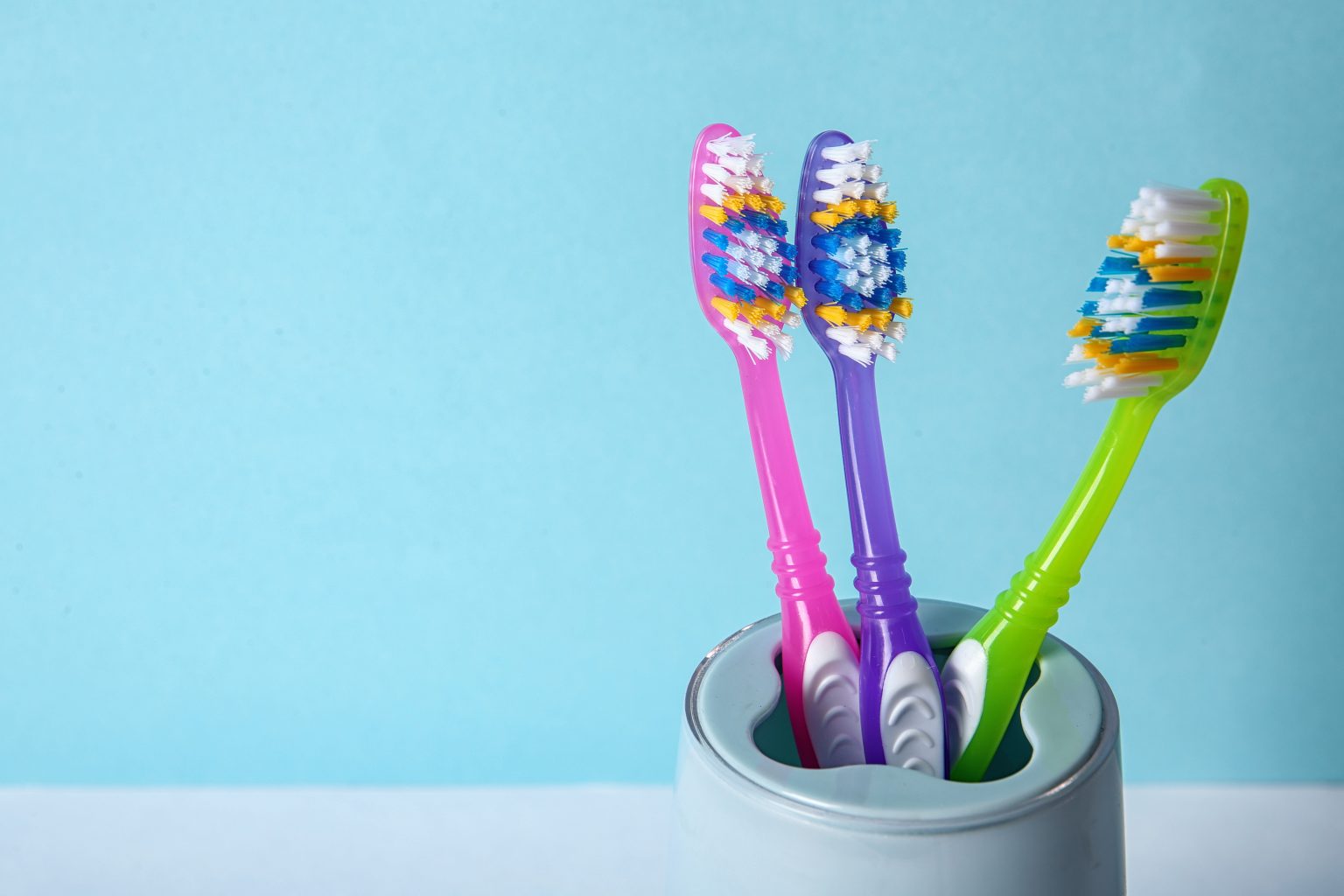
- A soft-bristled toothbrush with a small head. Soft bristles clean effectively without scratching enamel or irritating your teeth and gums. A smaller head reaches the back molars more easily.
- Fluoride toothpaste. Fluoride strengthens enamel and is the single most reliable ingredient for preventing cavities. The Australian Dental Association recommends fluoride toothpaste for everyone over 18 months old.
- A pea-sized amount of toothpaste. That’s all you need. Adults often use too much, leading to excess foam and the urge to spit and rinse before the fluoride has done its job. For children under six, a smear is plenty.
- Two minutes. Most people brush for around 45 seconds and think it’s been longer. A timer or an electric toothbrush with a built-in timer helps.
The Step-by-Step Tooth Brushing Routine
Hold your toothbrush at a 45-degree angle to your gumline. This is the single most important detail in good technique, because plaque collects right where the tooth meets the gum, and a flat-on toothbrush misses that zone entirely.
Use gentle, short strokes. You’re not scrubbing a pan. Light pressure at the right angle removes plaque just as well, with none of the wear on your enamel, teeth, or gums.
Work your way around the mouth in a consistent order so you don’t miss anything:
- Outer surfaces. Start at the back on one side and brush along the outside of your top teeth, then move down to the outside of the bottom teeth. Small circular or short back-and-forth motions both work well.
- Inner surfaces. Tilt the toothbrush vertically behind the front teeth, where the angle is awkward, and use short up-and-down strokes. Then move to the inside of the back teeth using the same 45-degree angle as before.
- Chewing surfaces. Use a gentle back-and-forth motion across the flat tops of the molars to clean out the grooves where food gets trapped.
- Tongue. Give your tongue a gentle once-over from back to front. It clears bacteria that cause bad breath and adds another layer of protection against decay.
When you’re done, spit out the excess toothpaste, but try not to rinse your mouth with water straight away. A small amount of fluoride left on your tooth surfaces continues to work long after you’ve put the toothbrush down. If you use mouthwash, save it for a different time of day rather than straight after brushing, so it doesn’t wash the fluoride away.
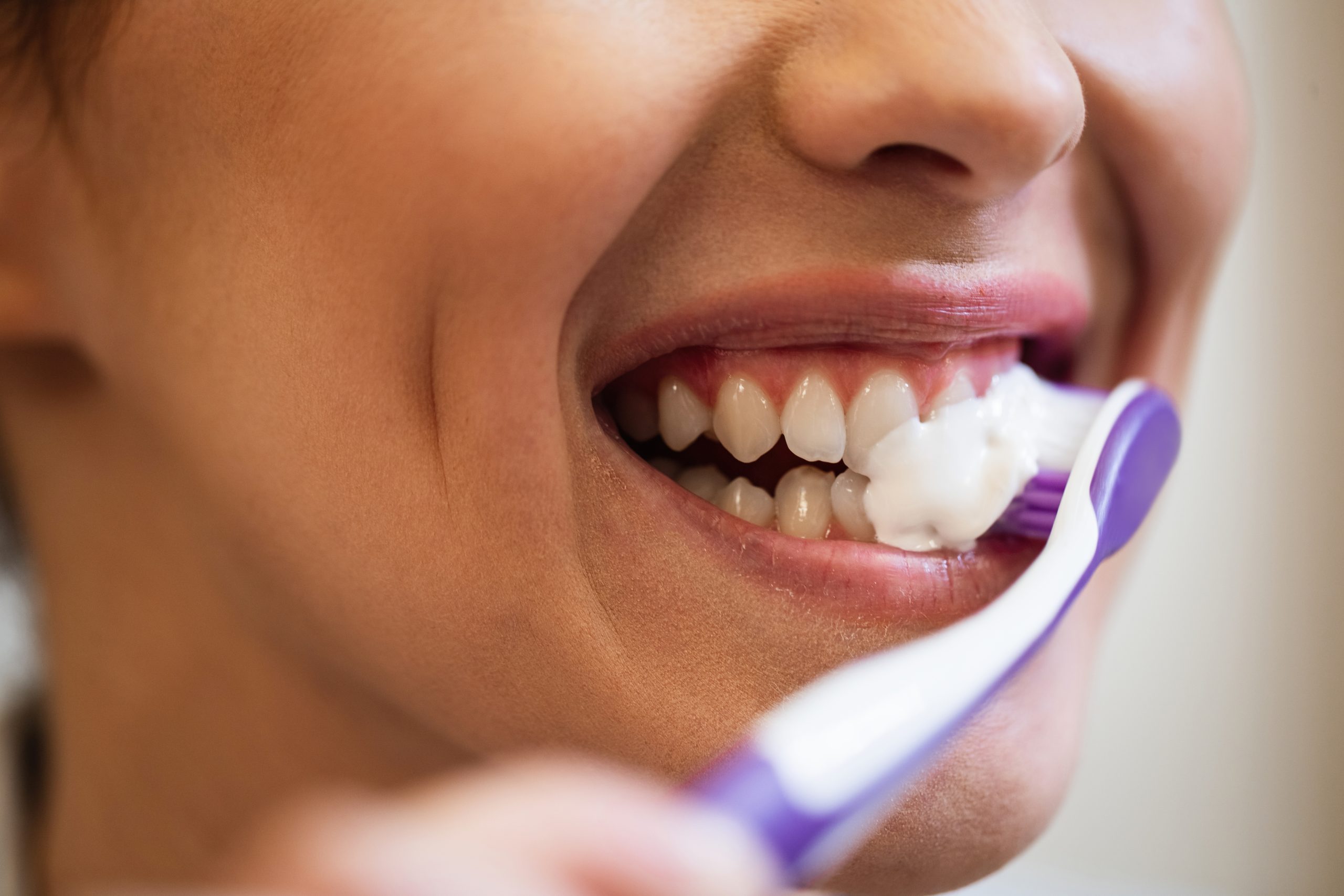
Close-up of woman using toothbrush while cleaning her teeth.
How Long and How Often to Brush Teeth
Brush teeth twice a day, for two minutes each time. Once in the morning and once at night is the standard rhythm, and there’s a reason nighttime brushing matters most.
While you sleep, saliva production drops. Saliva is your mouth’s natural defence against bacteria, so when it slows down, any plaque left on your tooth enamel has hours of uninterrupted time to cause damage. Going to bed with a clean mouth is the most protective thing you can do for your oral health.
Two minutes feels longer than you’d expect. If you’ve never timed yourself, give it a try. Splitting your mouth into four quadrants and spending 30 seconds on each is an easy way to keep your sessions even and complete.
Toothbrush and Toothpaste Basics
Soft bristles are the standard
Medium- and hard-bristled brushes might feel like they’re doing more, but they’re usually doing more harm than good. Stiffer bristles wear away enamel and push gums back from the teeth, which can lead to sensitivity and exposed roots over time. Soft bristles, used with the right technique, do the job properly without damaging the surface.
Manual toothbrush versus electric toothbrush
Both work well when used correctly. An electric toothbrush can make good technique easier because it handles the motion for you, and most have built-in two-minute timers and pressure sensors. Electric toothbrush models are particularly helpful for anyone with limited dexterity, including children learning to brush and older adults with arthritis. A manual toothbrush in skilled hands does the same job. The best option is the one you’ll use properly, twice a day, every day.
Why fluoride toothpaste matters
Fluoride remineralises enamel that’s been weakened by acid and helps prevent new cavities from forming. It’s been studied for decades and remains the gold standard ingredient in any toothpaste worth using. Whitening, sensitivity, and tartar-control varieties are all fine choices as long as they contain fluoride.
When to replace your toothbrush
Replace your toothbrush every 3 to 4 months, or sooner if the bristles are frayed or splayed. Worn bristles lose their cleaning power and can be rougher on your teeth and gums. After an illness like a cold or flu, swap it out as well to avoid reintroducing bacteria. Electric toothbrush heads follow the same timeline.
Don’t Forget to Floss
Brushing only reaches about three of the five surfaces of each tooth. Floss cleans the areas between teeth that your toothbrush can’t reach, and it’s the only way to remove plaque from those spots. If you don’t floss, you’re leaving roughly 40% of each tooth uncleaned, which is where many cavities and gum problems start.
Floss once a day, ideally at night before you brush your teeth. Use a fresh section of floss for each gap to avoid transferring bacteria from one tooth to the next. If traditional floss feels fiddly, floss picks or interdental brushes work well too. Whatever tool you use, the habit is what counts.
Brushing Teeth for Children
Children need help with their oral hygiene routine until they’re about seven or eight years old. Younger children don’t yet have the dexterity to brush teeth properly on their own, so a parent or carer should either do the brushing or supervise and finish off any missed spots.
A few practical tips for children’s dental care:
- Use a small, soft toothbrush designed for their age group.
- Use a smear of fluoride toothpaste for children under three, and a pea-sized amount from age three onwards.
- Make it part of a consistent morning and bedtime routine, so it becomes second nature.
- Take children for their first dental visit by age two so they get used to the practice early.
Starting good habits young sets children up for a lifetime of healthy teeth and reduces the risk of dental anxiety later.
Common Brushing Mistakes to Avoid
Even people who brush teeth twice a day can fall into habits that undo the work. Watch out for these:
- Brushing too hard. Pressing firmly doesn’t clean better. It just wears away your enamel and irritates your teeth and gums. If your bristles flatten quickly or your gums bleed regularly, you’re likely brushing too hard.
- Skipping the gumline. This is where plaque builds up fastest. If you’re brushing flat against your teeth instead of angling toward the gums, you’re missing the spot that matters most.
- Rinse straight after brushing. Washing your mouth out with water removes the protective layer of fluoride before it can finish working. Spit, don’t rinse.
- Forgetting hard-to-reach areas. The molars at the very back of the mouth are the hardest to reach and the easiest to forget. Make a point of starting your routine there so they always get full attention.
- Brushing right after acidic food or drink. Citrus, wine, soft drinks, and sports drinks all temporarily soften your enamel. Brushing straight away can scrub that softened layer off. Wait at least 30 minutes, or rinse with water first.
- Using the same toothbrush for too long. A frayed brush head can’t clean properly, no matter how good your technique is.
Book a Check-Up at CJ Dentistry
Even with great oral hygiene habits, regular professional dental care is still the best way to catch small issues before they become big ones. Our team at CJ Dentistry has been looking after Sunshine Coast families for decades, and we’re always happy to talk through your routine, recommend the right tools for your teeth, and answer any questions about your dental care.
Based in Alexandra Headland, our practice welcomes new patients of all ages, from children’s first visits through to adult dental care. Book online or call us on (07) 5479 5522 to arrange your next check-up.
Frequently Asked Questions
Should I brush my teeth before or after breakfast?
Before is generally better. Overnight, bacteria multiply in your mouth, so brushing first thing clears them out before you eat. It also coats your teeth with a layer of fluoride that helps protect against the acids in breakfast foods. If you’d rather brush after, wait 30 minutes so your enamel has time to reharden.
Is an electric toothbrush really better than a manual toothbrush?
Not necessarily, but an electric toothbrush does make good technique easier. The built-in timers, pressure sensors, and consistent motion help most people clean their teeth more thoroughly with less effort. If you’ve struggled with a manual toothbrush, or you’re brushing for a child, an electric toothbrush is a sensible upgrade.
Do I need to floss too?
Yes. Floss is the only way to clean the surfaces between your teeth, and skipping it leaves a large portion of each tooth uncleaned. Floss once a day, every day.
How often should I replace my toothbrush?
Every three to four months, or sooner if the bristles look bent or worn. Swap it out after you’ve been sick, too. The same applies to electric toothbrush heads.
How much toothpaste should I actually use?
A pea-sized amount for adults and children over six. For younger children, just a smear across the bristles. Loading up the toothbrush doesn’t clean better, and it makes it harder to brush teeth for the full two minutes without needing to spit early.
How hard should I be brushing?
Light pressure. If your bristles flatten out within a few weeks, you’re pressing too hard. Let the angle and the time do the work, not the force. Many electric toothbrush models include a pressure sensor that warns you when you’re pushing too hard, which is useful information if you’re not sure.
Can mouthwash replace brushing?
No. Mouthwash freshens breath and can help reduce bacteria, but it doesn’t physically remove plaque the way a toothbrush does. Think of it as a useful add-on to your oral hygiene routine, not a substitute for brushing or flossing.