
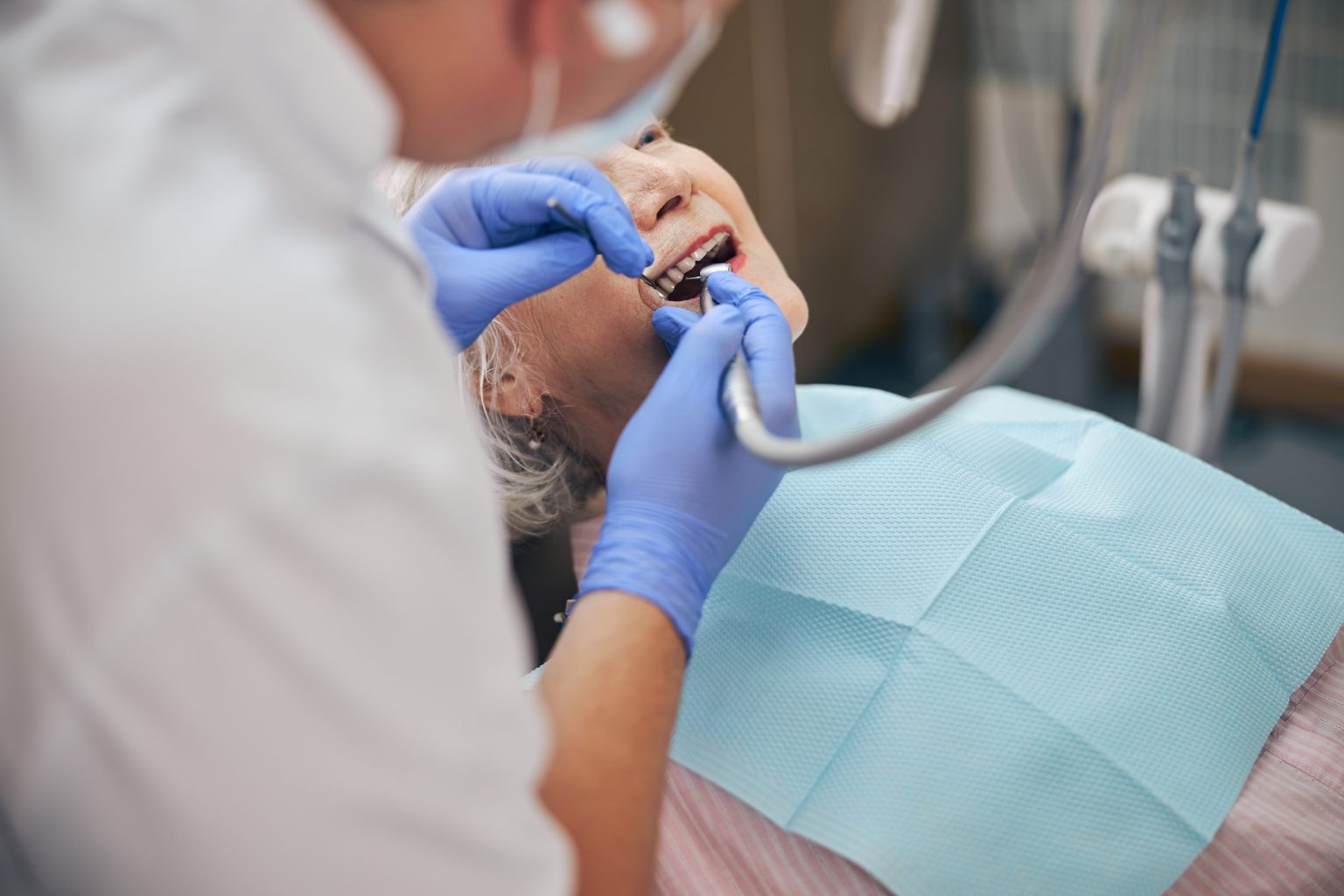
The signs you need a root canal usually come from the nerve inside the tooth: pain that lingers after hot or cold, an ache that starts on its own or wakes you at night, a tooth that’s darkening, or a pimple-like bump on the gum. Any one of these means the pulp, the living tissue inside your tooth, is inflamed or infected, and it won’t heal on its own.
Not every toothache ends in root canal therapy. Some of these symptoms overlap with cracked fillings, gum problems and sinus pressure, which is why the real answer comes from an examination and an x-ray rather than a night of googling. Here’s what each sign tends to mean, and when to stop watching and start booking.
Pain That Lingers After Hot or Cold
A healthy tooth can twinge at ice cream and settle within seconds. A tooth heading for root canal territory behaves differently: the pain hangs around for thirty seconds, a minute, sometimes longer after the trigger is gone. Lingering sensitivity, especially to heat, suggests the nerve is inflamed rather than just exposed at the gum line. Note which tooth, what triggers it and how long it lasts; that history genuinely helps your dentist.
Toothache That Starts on Its Own
Spontaneous tooth nerve pain, the ache that arrives while you’re doing nothing, is one of the stronger root canal symptoms. It often throbs, can be hard to pin to one tooth, and classically gets worse when you lie down because blood pressure in the head increases. If a toothache is waking you at night, the nerve is usually significantly inflamed and it’s time to be seen promptly.
Pain When You Bite or Press on the Tooth
When infection spreads from the nerve into the tissues around the root tip, the tooth becomes tender to pressure. Chewing on that side hurts, tapping the tooth hurts, and the tooth can feel slightly raised, like it touches first when you close. That pattern points to infection at the root and deserves an urgent appointment rather than a wait-and-see approach.
A Tooth That’s Changing Colour
A single tooth turning grey, brown or darker than its neighbours often means the nerve inside has been damaged, commonly after a knock that might have happened years earlier. The discolouration comes from breakdown products inside the tooth. It can be painless, which lulls people into ignoring it, but a dead nerve can quietly develop infection at the root over time.
Swelling or a Pimple on the Gum
A small, recurring bump on the gum near a tooth is often a draining sinus from an abscess at the root: the body’s pressure-release valve for infection. It may pop, disappear and return, sometimes with a bad taste. Because the drainage relieves pressure, it may not hurt much, but the infection is still there and still needs treatment. Facial swelling, fever or difficulty swallowing alongside a toothache is an emergency; call the same day.
The Pain That Suddenly Disappears
Here’s the counterintuitive one. A raging toothache that vanishes overnight can mean the nerve has died, and dead nerves don’t hurt. The infection, though, doesn’t leave with the pain; it keeps working at the root tip, sometimes silently for months. If a bad toothache has ‘fixed itself’, have the tooth checked anyway. The x-ray often tells a different story to the symptoms.
What Happens if You Do Need a Root Canal
Root canal therapy removes the inflamed or infected pulp, cleans and shapes the canals, and seals them so bacteria can’t return. It’s done under local anaesthetic over one to three visits depending on the tooth, and modern techniques make the experience far closer to a long filling than to its reputation. Most treated teeth are then restored with a filling or crown to protect them long-term.
The alternative to treating an infected nerve is usually losing the tooth, and replacing a tooth with a bridge or implant is a bigger undertaking than saving the one you have. As with any dental procedure there are risks, and occasionally a treated tooth needs retreatment or referral; your dentist will walk you through the specifics for your tooth before anything begins.
Frequently Asked Questions
Can a tooth that needs a root canal heal on its own?
No. Once the pulp is irreversibly inflamed or infected, the body can’t repair it, because the tooth’s internal blood supply is too limited. Antibiotics may settle a flare-up temporarily but don’t fix the source. The choice eventually becomes root canal therapy to save the tooth, or extraction.
How urgent are root canal symptoms?
Lingering sensitivity is worth an appointment within days. Spontaneous pain, biting pain or a gum pimple warrant a prompt visit. Facial swelling, fever or trouble swallowing with a toothache is a same-day emergency. Earlier treatment generally means fewer visits, less pain and a better outlook for the tooth.
Does a root canal hurt?
The treatment is done under local anaesthetic, and for most patients the appointment itself feels similar to having a long filling. Some tenderness for a few days afterwards is normal and usually managed with over-the-counter pain relief. Sedation options are available for anxious patients; ask when you book.
What does tooth nerve pain feel like compared to other toothaches?
Nerve pain tends to linger after triggers, throb spontaneously, worsen at night or when lying down, and respond to heat. Sensitivity that zings briefly with cold and stops immediately is more typical of exposed root surfaces or a leaking filling. Overlap is common, which is why an x-ray settles it.
How much does a root canal cost on the Sunshine Coast?
Costs vary with the tooth (front teeth have one canal; molars have three or more) and whether a crown is needed afterwards, so CJ Dentistry provides a written quote after examining the tooth. An initial examination is $90, or $160 for a complex initial examination, with an OPG x-ray $152 if required.
About the Author
Dr Peter Jorgensen, BDSc, Grad Dip Clin Dent (Oral Implants), Principal Dentist
Dr Peter Jorgensen is the principal dentist at Currey & Jorgensen Dentistry (CJ Dentistry) in Alexandra Headland. He earned his Bachelor of Dental Science from the University of Queensland in 1995, followed by a Graduate Diploma in Clinical Dentistry (Oral Implants) from the University of Sydney, with a focus on implant dentistry, oral surgery and complex restorative work. He handles implant cases from surgery through to the final restoration, so patients get continuity of care from start to finish.
Peter has called the Sunshine Coast home since 2000 and has a soft spot for intricate crown and bridge work that suits his perfectionist streak. He’s easy to chat with and loves building lasting relationships with patients and their families. He also gives back to the profession as a University of Sydney student mentor, a member of the Australian Osseointegration Society, a board member with the Australian Dental Association Queensland, and a fellow of the Pierre Fauchard Academy.